
24.5.2025
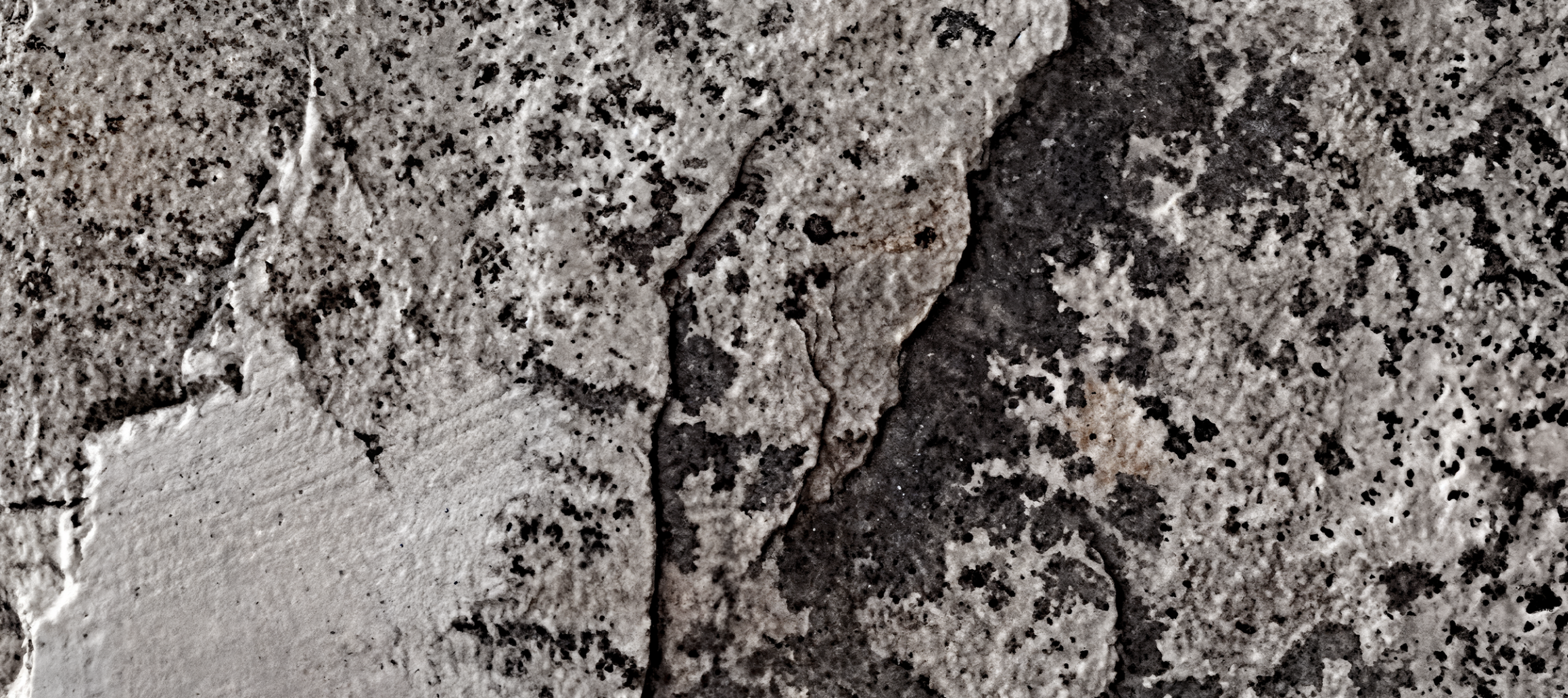
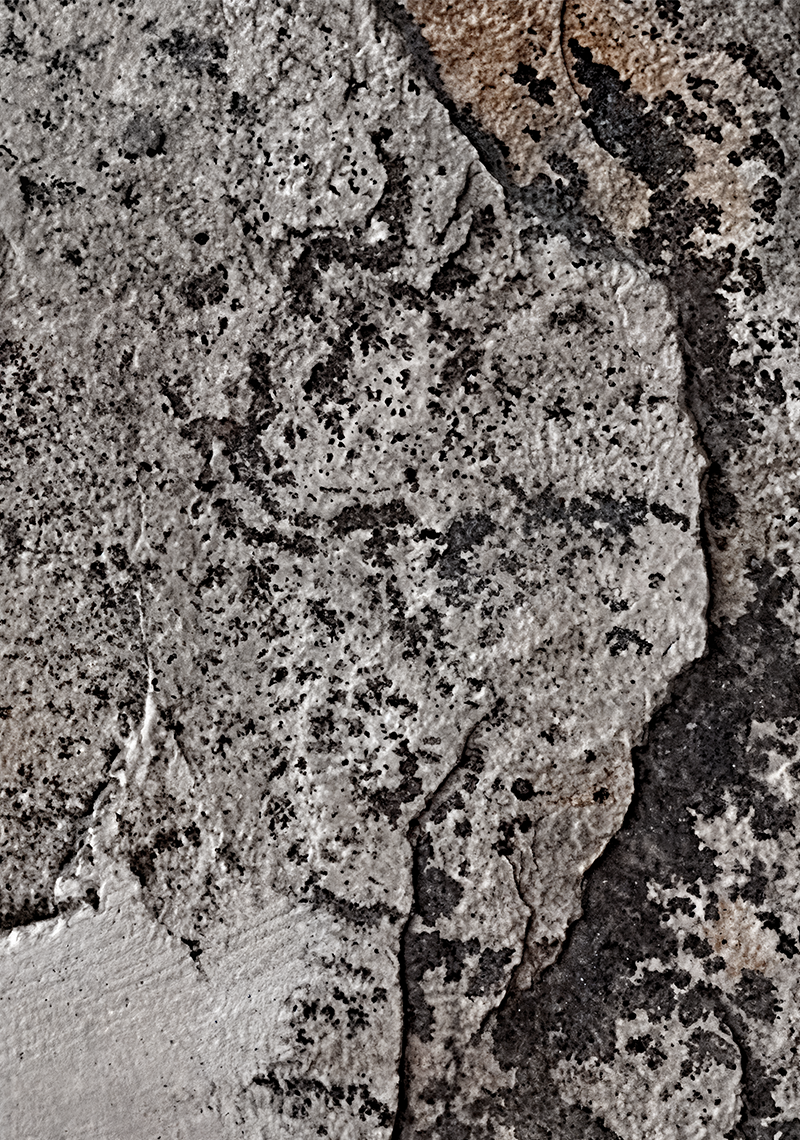
Fragility is not a weakness, but a transformative strength.
Low-Key Epiphany is a discreet revelation, an enlightenment without stridency, seeking not spectacle, but stillness. It is a quiet and subtle moment in which understanding does not erupt, but settles into thought like a deep breath. It is a gesture of drawing closer to oneself, to matter, and to interior time. The epiphany does not manifest spectacularly; instead, it insinuates itself into details, textures, the contours of fragile forms, and the vibration of an absence.
The exhibition coalesces around a silent dialogue between materiality and ephemerality, between tension and calm. Taisia Corbuț’s works, crafted in limestone, evoke the idea of home not merely as an architectural object, but as a material extension of the self—a space for refuge, reflection, and care for one’s own being. Through forms that suggest stability while retaining a sine qua non fragility, the artist opens a reflection on the balance between safety and vulnerability. Suspended between presence and reverie, between firm contours and the echo of an internal withdrawal, her works reveal the need to understand the inner universe with patience and commitment.
Diana Popuț proposes a careful investigation into material limits: marble, wood, and paper undergo a subtle process of refinement. They become supports for meticulous interventions, where repetitive, almost ritualistic gestures test not only the physical boundaries of the material but also the invisible limits of human presence and sensitivity. Here, fragility acquires an almost vital tension—it is a force that resists, asserts itself, and transforms. Diana cultivates an aesthetic of patience, of the attentive gesture, and of the silent strength of the material, where points of tension call into question the very idea of permanence.
Low-Key Epiphany thus becomes a metaphor for that type of profound recognition that emerges discreetly yet shifts one’s perception of self, matter, and presence. It is an experience that challenges appearances, rediscovering the value of fragility as a form of resilience. In this light, ephemerality gains weight and profound importance, and matter becomes a witness to a presence in constant transformation. Thus, the exhibition invites an attentive listening and a conscious presence that leaves room for a silent yet meaning-laden knowledge.
Artist
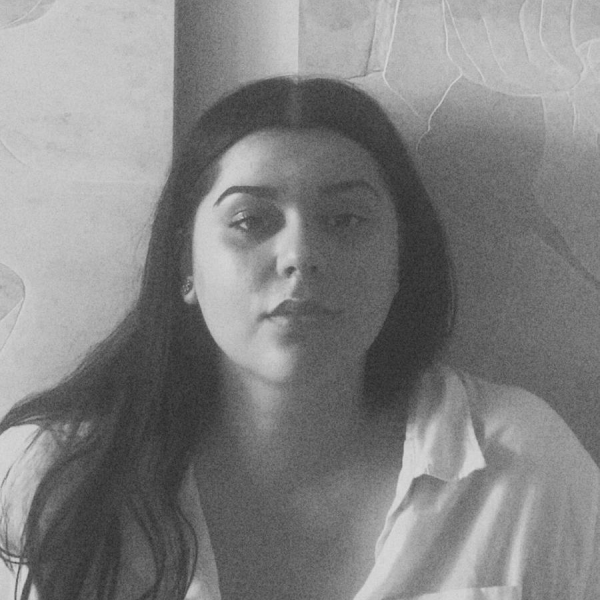
Taisia Corbuț
The practice of Taisia Corbuț (b. 1997, Alba Iulia) blends the visual with an almost poetic sensitivity, exploring the tension between significance and matter. A graduate of the University of Art and Design in Cluj-Napoca with a placement at Birmingham City University, the artist reflects on universal experiences and emotions from a personal and introspective perspective. Her works, centered around sculpture, installation, and alternative media, have been presented in exhibitions such as The Feeling of Wholeness (Gregor Podnar Gallery), Meet My Eyes (Cluj-Napoca Art Museum), and Low-Key Epiphany (Relicvar).
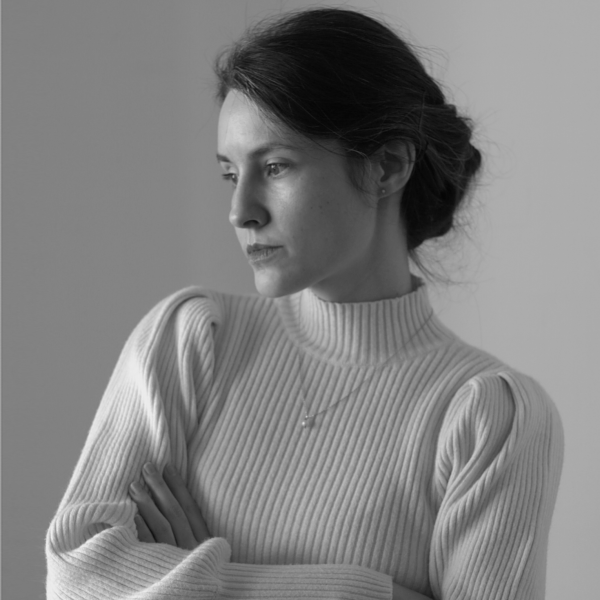
Diana Popuț
Diana Popuț (b. 1994, Cluj-Napoca) lives and works between Cluj-Napoca and Bucharest. She graduated from the University of Art and Design in Cluj-Napoca, Department of Graphics, and completed Erasmus+ study programs in Spain and Italy.
In 2015, while studying at the Universidad de Castilla-La Mancha in Cuenca, she realized Sine qua non, her first installation project. In 2016, during her Erasmus period at the Accademia di Belle Arti di Brera in Milan, she initiated Finestre, a long-term artistic series. In 2020, as part of an Erasmus mobility for professional practice, she worked in the studio of artist Laurențiu Craioveanu in Lodi, Italy, where she further developed sculptural techniques and began working with wood and marble, using materials collected from the alluvial deposits of the Adda River.
Her artistic practice focuses on the relationship between the visible and the invisible, the fragility of matter, and the ways in which light, perforation, and void can function as constructive elements of form. Working across drawing, object, and sculpture, her works are built through repetitive and meticulous gestures, using tools such as needles, silverpoint, and diamond drill bits, which leave minimal traces, cavities, and perforations. These interventions operate as a form of drawing in volume, where matter is shaped primarily through absence.
Curator
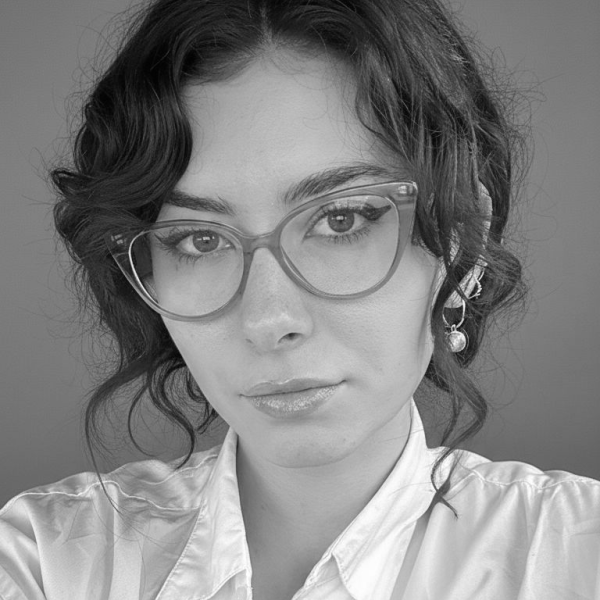
Miruna Dragusanu
An emergent curator and current PhD candidate in Visual Arts, I hold a Bachelor’s degree in the History and Theory of Art and a Master’s in Contemporary Curatorial Practices from the University of Art and Design in Cluj-Napoca, Romania. My professional focus centers on contemporary art, with an emphasis on feminist perspectives and female presences in recent Romanian art. I am particularly interested in how these presences can be articulated and rendered visible through curatorial practices that remain attentive to context, history, and representation.
In my curatorial work, I combine theoretical research with collaborative engagement, maintaining a constant interest in dialogue with various women artists and the development of curatorial formats that amplify their voices. I strive to create projects that do more than just exhibit; they generate questions and critical context. For me, curating serves as both a form of cultural involvement and a tool through which I can contribute to the recognition of perspectives often overlooked in dominant artistic discourse.