
exhibition
free access
2026
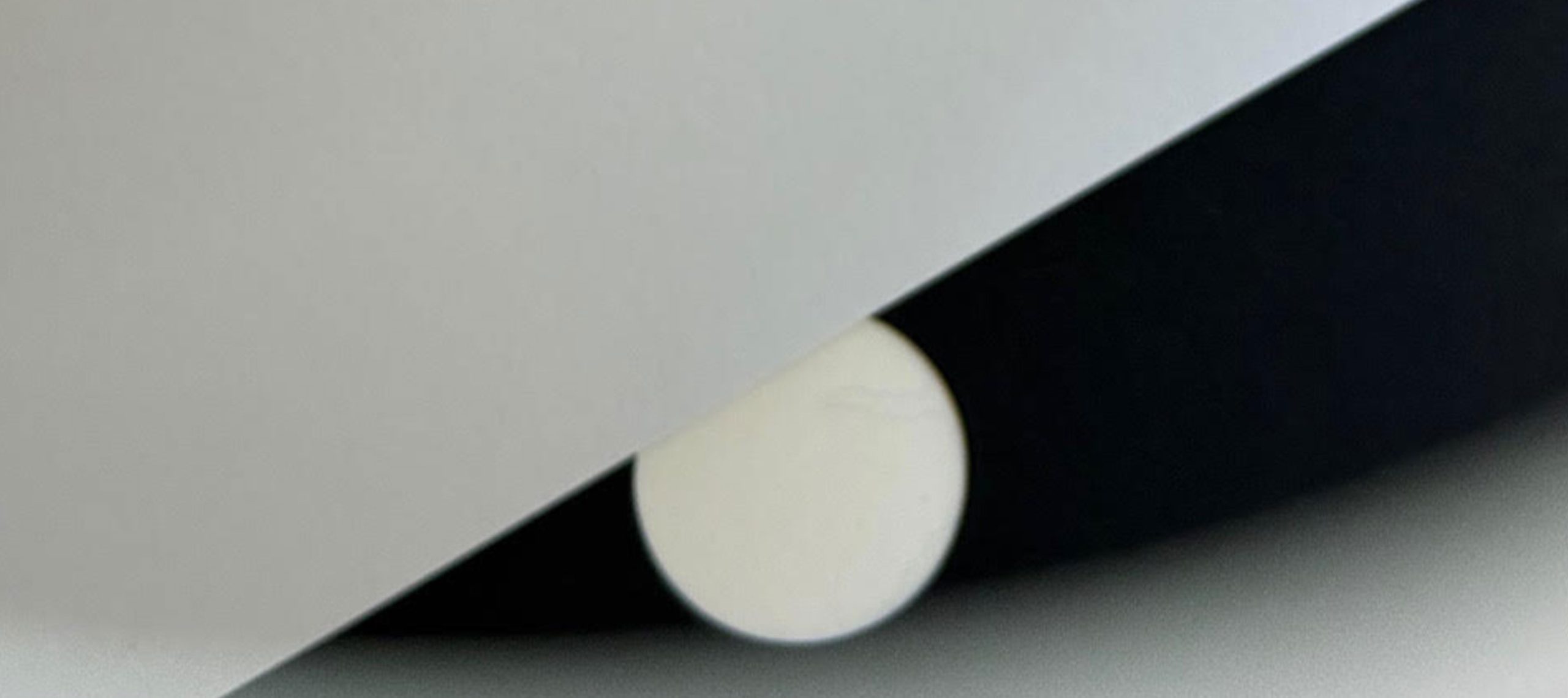
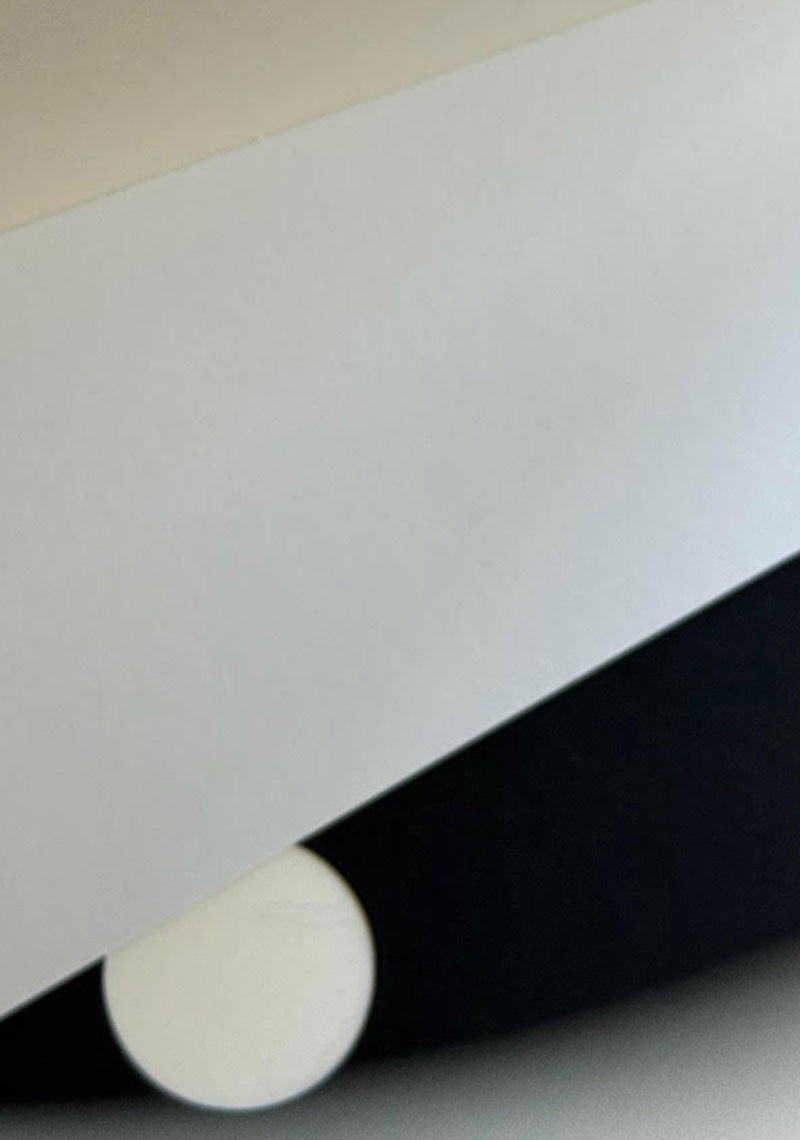
The exhibition configures an ensemble of recognizable structures that evoke the archive through its own internal logic: ordering, delimitation, repetition, without the intention of reconstituting an archiving room in a mimetic sense.
The approach is organized around thematic nuclei, reduced to minimal expressions, functioning as a case study on a classic archiving technique. Indexing, classification, storage or segmentation are thus no longer explored in their functional dimension, but in their capacity to generate form. Each module closes a system, but makes it legible through simplification, by extracting an essential formal unit that becomes a sign.
In this context, Archive sans Manila indicates a deliberate absence: the renunciation of the emblematic support of archiving – the manila folder – and, implicitly, the entire material tradition associated with it. The suspension does not produce a vacuum, but opens a field of investigation in which the archive is reconfigured as an abstract infrastructure.
Artists
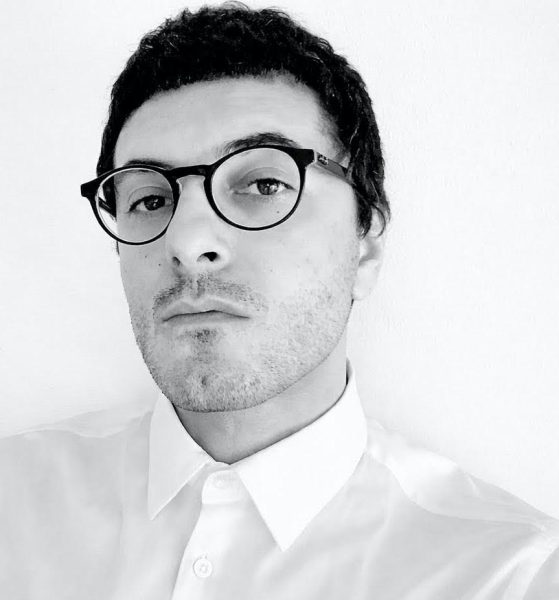
Emilian Pospaii
poet and illustrator
Emilian Pospaii was born in Pucioasa, Romania, where he developed an early interest in poetry and nature, closely observing his family’s projects.
He was encouraged by his grandmother’s Protestant books, his grandfather’s calligraphy experiments, and his mother’s affinity for spatial design. He studied fashion design and strategy (Master 2011-2013) and is currently a PhD student at the National University of Arts in Bucharest.
His practice encompasses poetry, book publishing with his own graphics, ink illustrations, decanted clay ceramics, and tapestries, while his installations are often composed of both original works and re-evaluated objects.
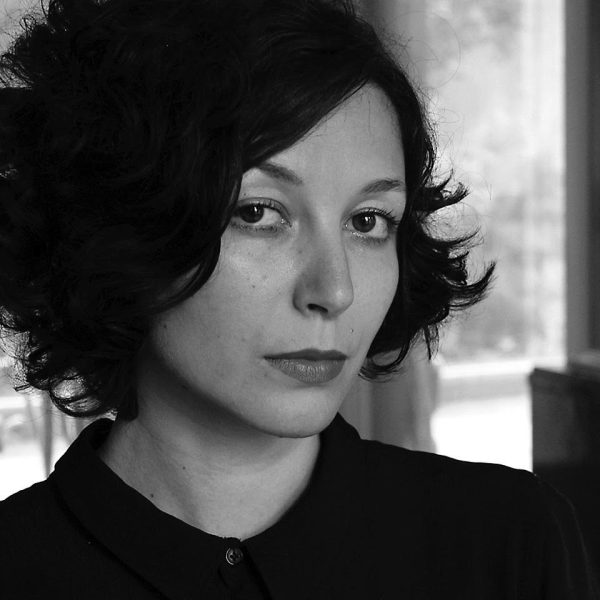
Nicoleta Radu
typographer
He has been working in the typographic field since 1998 and is one of the founders of Fabrik – a multidisciplinary printing house dedicated to the study and use of old techniques in modern times, so that they prove their relevance and are not irretrievably lost.
With a 25-year history and a specialization in the production of art publications and object books, the Fabrik portfolio constitutes the longest-running and perhaps the most fluent exercise-manifesto for recovering the status of the typographer’s profession and the importance of its role for education and culture.