
expoziție
acces liber
2026
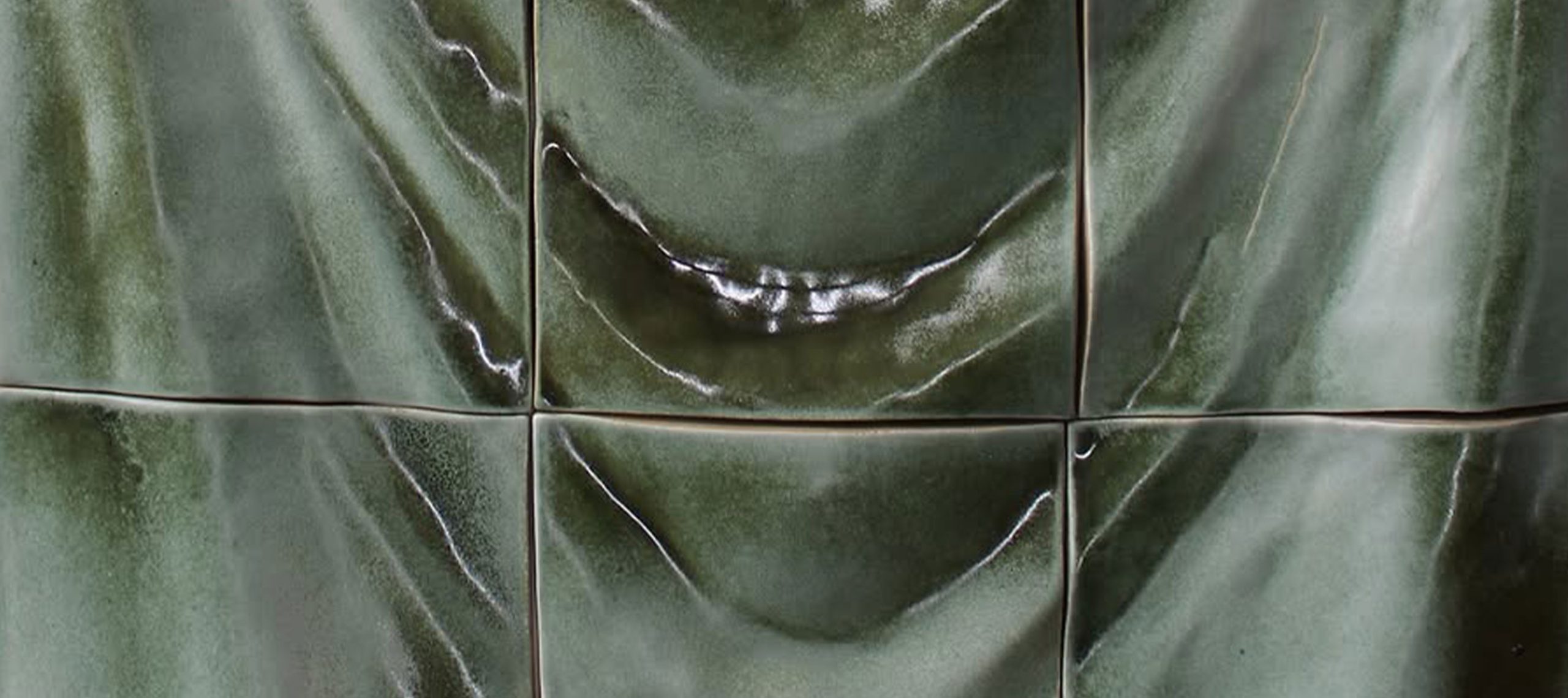
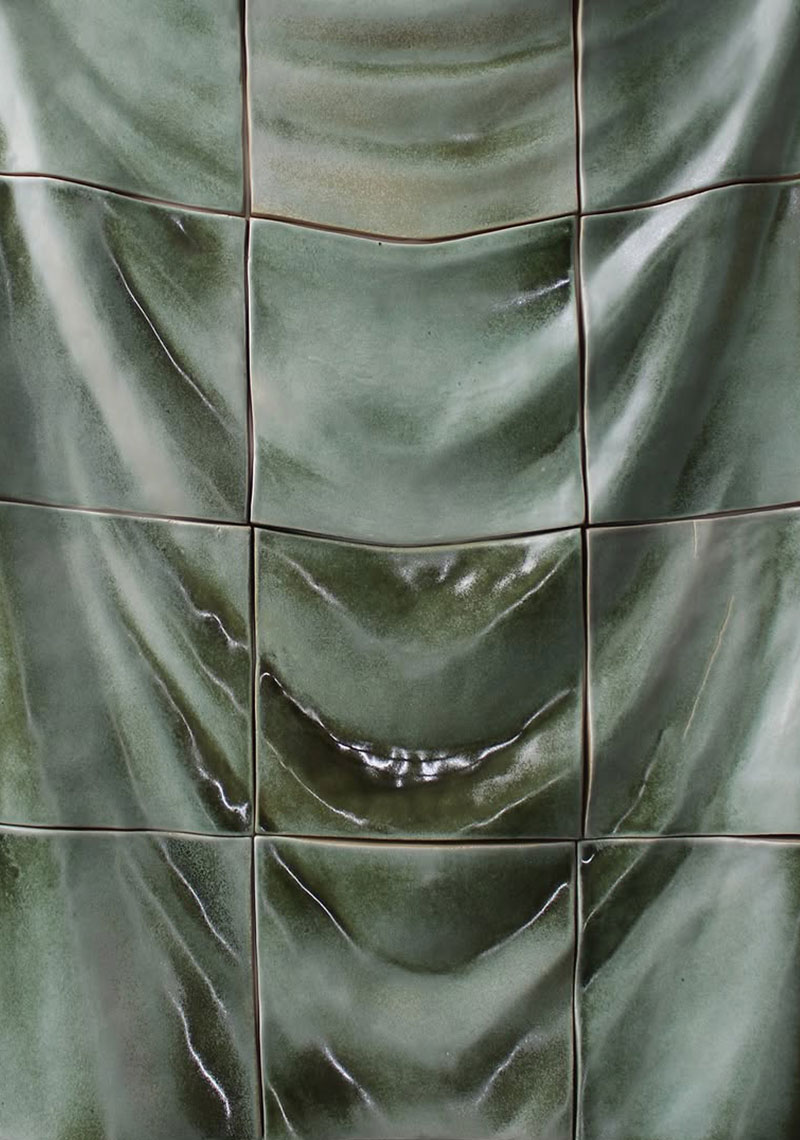
In the modern and contemporary imagination, bathing marks a radical shift in our relationship with water. If deep water belongs to regression, dreams, and dissolution, the swimming pool contains domesticated water — lit, brought to the surface, and integrated into the rhythms of everyday pleasure. It is no longer an elemental or threatening force, but a space constructed for suspension, for slowing down. It becomes the stage of an ambiguous pleasure: solar, erotic, languid, yet tense. Water does not deepen but reflects; it does not conceal but exposes. Desire is not consumed but maintained in a state of floating, in a fragile balance between relaxation and latent conflict. It is a pleasure that neither explodes nor dissolves, but persists as vibration.
In contemporary art, the swimming pool becomes a recurring motif precisely because of this ambiguity. The body does not disappear into water but is cut out, observed, suspended in an eternal afternoon. The pool is not about depth but about continuous presentness, about a pleasure devoid of guilt, almost impersonal. From a Deleuzian perspective, this form of pleasure can be read as a gentle intensity: not a traumatic excess (jouissance), but a state that does not seek completion. In contrast to the Lacanian reading of desire as tension against the law, the swimming pool proposes a regime of desire that opposes nothing, transgresses nothing, dramatizes nothing. Desire floats. Water promises not revelation, but continuity.
This continuity becomes political not through conflict, but through a refusal of productivity. In a world of performance, self-optimization, and chronic exhaustion, the pool appears as a space of legitimate non-action. Idleness, floating — these become gestures that are almost subversive. The water of the swimming pool demands no effort, no meaning, no progress.
It is a water without guilt, without promise, without catharsis. Precisely for this reason it becomes a powerful motif in contemporary art: a place where the body exists without having to justify itself.
This direction functions as a solar counterpoint to the obscure, regressive, and dense water of depth. The swimming pool introduces another form of intensity: languid, visible, almost frivolous, yet deeply critical within a culture of exhaustion. It is a water of the surface, of suspended time, of pleasure that does not need to be explained.
In ancient Greece, hydrophoria referred to the collective ritual of carrying water, an essential communal act situated at the boundary between vital necessity and symbolic celebration. In this sense, the exhibition situates itself between function and excess, between control and abandonment. Ceramics and glass, materials born from direct interaction with water, become carrying bodies: vessels, forms, objects that do not exist without their relationship to fluidity, even when the fluid itself is absent.
The Turkish Bath intensifies this tension. Historically a space of purification and community, it is also a place of the exposed body — vulnerable, freed from conventions. Here, hydrophoria intersects with the Dionysian dimension: water is no longer only a necessity but also pleasure, excess, and the dissolution of limits. Festivals dedicated to Dionysus celebrated the body, the fluidity of identity, and the suspension of social order. In this Dionysian register, water is not opposed to fire but complementary to it: both dissolve boundaries, both activate a state of passage. If fire consumes through intensity, water does so through attraction — eroding slowly, generating a pleasure of surrender.
Because some forms seem to exist precisely at the moment before surrender. The relationship between water and fire runs through the works not as opposition but as fertile tension: the burning that fixes matter and the fluid that threatens it, the form that closes and the desire that pushes it toward opening. Between them emerges a state of productive obscurity: not an absence of meaning, but an excess of meaning, that space in which matter is no longer merely matter and pleasure can no longer be separated from risk.
Artiști
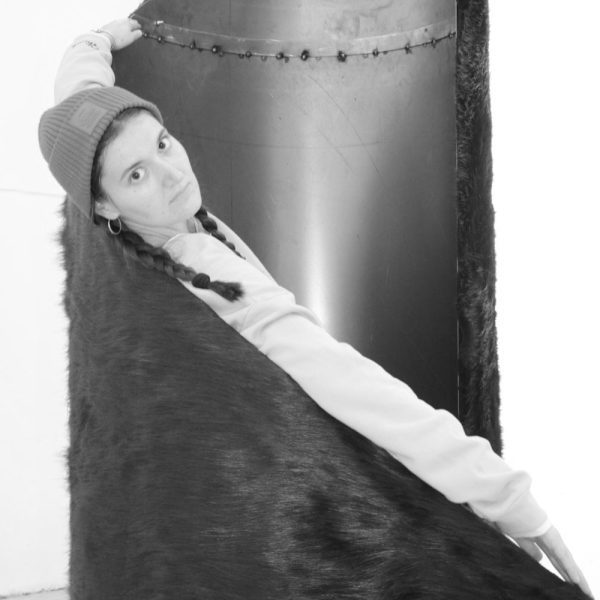
Alexandra Boaru
Alexandra Boaru is a multi-media artist based in Romania. Her practice challenges the concept of ”human” and its impact on the exterior, others or herself. One of the main themes seen throughout her artworks is the exploration of boundaries between being human and becoming something else. Her approach can often be described as poetic, influenced by speculative fiction or magic realism literary genre and the ’70s conceptualism.
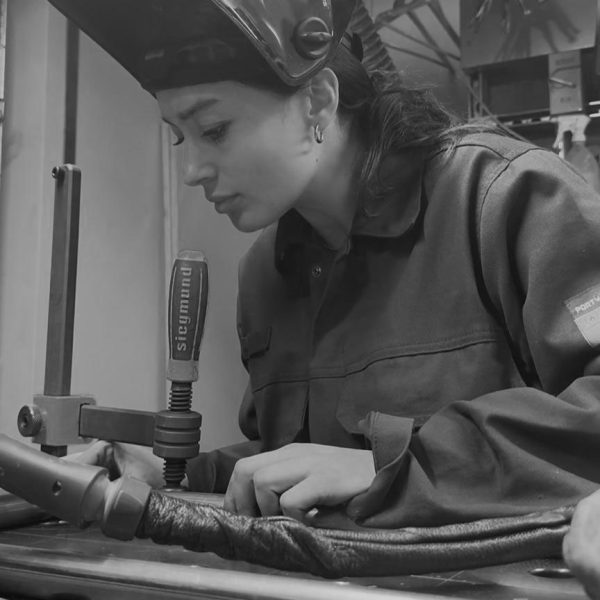
Ana Ionescu
Ana Ionescu (b.1999, Bucharest) is a sculptor working and living in London, graduating from Royal College of Art in 2025 on the MA Sculpture programme. She is primarily active in both UK and Romania. Her practice reflects a deep interest in how we navigate the external world and engage with objects, an experience she believes is shaped by our inherent need to find meaning and to see ourselves as the central figure. This egocentric tendency, rather than being criticized, is embraced in her work as a source of multiplicity in interpretation.
The sculptures occupy a transitory space between reality and another world. They often reference familiar forms, hinting at performative or bodily functions, yet are transformed in ways that invite personal projection. The incorporation of the object hints at an imaginary interaction, where past connections coexist with new narratives. At times, it exceeds the passive state of the object to embody an entity of its own, an exaggeration that lives in our mind. This metamorphosis, together with shape, dimension and ergonomics, bring bodily and sculptural matter together.
A recurring motif in her work is the duality of material existence, the tension and allure of binary opposites coexisting. This interplay generates a sense of visual and conceptual excitement, referencing absurdity. She aims to challenge the boundaries of aggression by using elements such as thorns or spikes on sculptures that resemble weaponry. This confrontation becomes possible within the safe context of the gallery, altering the perception of the object from fear to temptation. This contrast is at times amplified by elements of fragility or even the abject, the physical form becoming the manifestation of visual desire, transformation, and layered meaning.
Ana Pascu
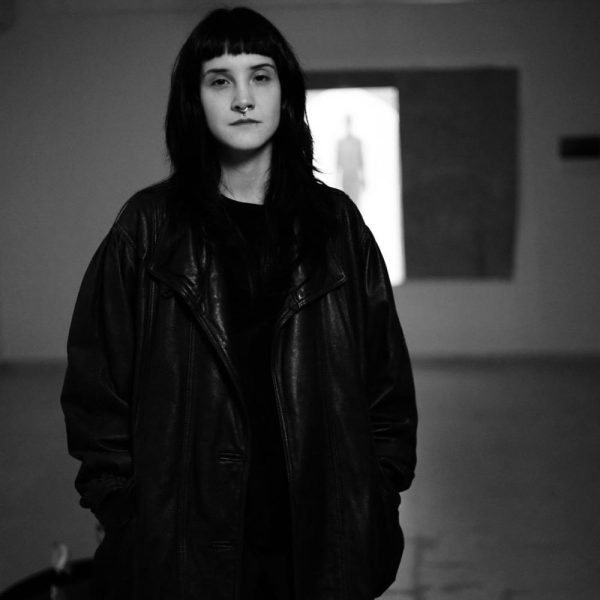
Ana Pascu (b. 2000, Romania) lives and works in Bucharest. She studied Photography and Video Art at the National University of Arts in Bucharest. In her work, the human figure is placed beyond the realm of identity, where it becomes visible as an essential form and a shared structure of human experience. The particular is suspended within a framework of observation and reduction, in which presence is examined beyond personal expression.
This investigation unfolds across diverse media and materialities, from the digital to the physical, activating the full spectrum of perception. The diversity of these approaches sustains a tension between direct experience and lucid analysis, reflecting the structural tensions of the human condition — between the sensitive and the rational, interior and exterior, exposure and withdrawal.
Her works have been exhibited in national and international galleries and museums, including the National Museum of Contemporary Art, Bucharest; the National Gallery of North Macedonia; Galerie Sehsaal, Vienna; Centrum, Berlin; Catinca Tabacaru Gallery, Bucharest; the Art Museum of Craiova; Atelier 35, Bucharest; and Gloriae Gallery, Craiova.
Andreea Chiser
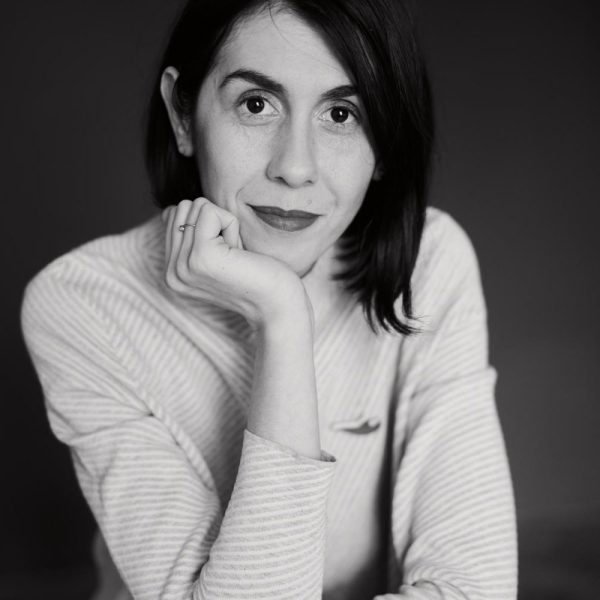
Andreea Chiser is a ceramic artist and entrepreneur, trained as an architect at the “Ion Mincu” National University of Architecture and Urban Planning (2014). She completed an MBA in Cultural and Creative Industries at Bucharest Business School (2025).
In 2021, she won the caolinART award for designing the trophies presented at the Transylvania Architecture Biennial. In her practice, she creates ceramic objects that bring into dialogue forms, materials, and processes of human and material transformation. In parallel, she develops spaces and formats for bringing together other creators.
Andreea Ilie
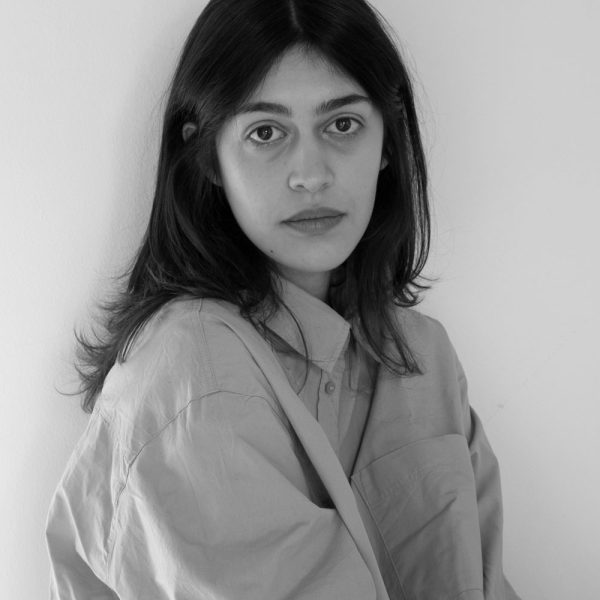
Andreea Ilie (b. 2001, Romania) is a visual artist whose practice explores the profound intersection between architecture, the human psyche and the ideological frameworks that shape collective experience. Drawing from a research-intensive approach, she investigates social buildings, from the utopian infrastructures of the Soviet era to contemporary common spaces, examining how these structures function as active organisms that model human behavior and political identity.
Her work often adopts an archaeological lens, deconstructing the friendly brutalism of the 20th century to reveal the tensions between aesthetic beauty and ideological intent. By isolating and recontextualizing architectural motifs, she transforms historical ruins into autonomous sculptures and installations. Through this process of extraction, Andreea Ilie invites viewers to reflect on the endurance of form and the ways in which contemporary societies continue to build and inhabit new utopias.
Ayala Braidman
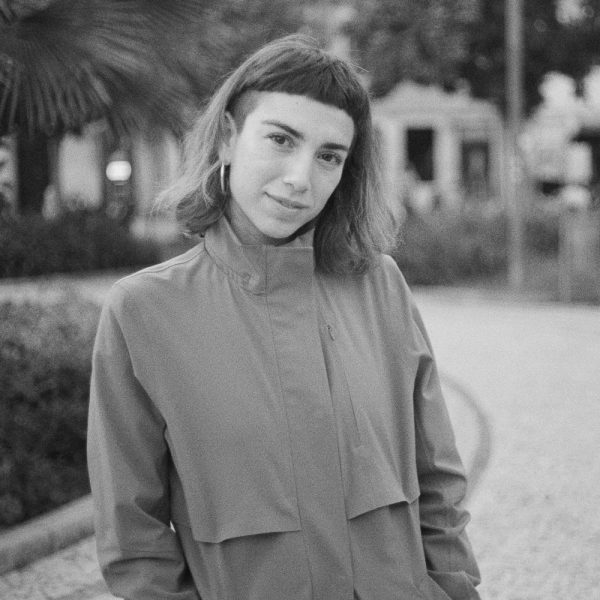
Ayala Braidman (lava objects) is a multidisciplinary designer whose primary material is ceramics. She creates both functional and decorative objects inspired by the desert environment, its unique living conditions, and the philosophical concepts it embodies. Through her work, Ayala explores the intersection of form, function, and the profound connection between nature and design.
Cătălin Filip
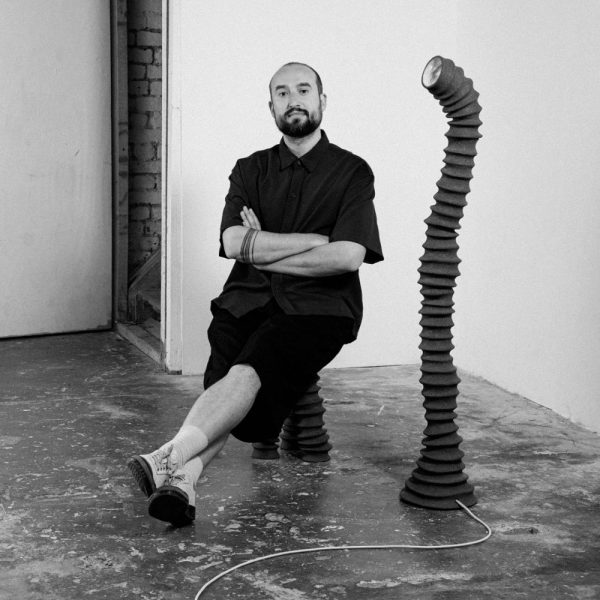
Cătălin Filip is an artist and designer who primarily works with ceramics. Self-taught in the field, he develops unique techniques through intuitive experimentation.
Fascinated by the movement and distortions found in nature, he allows the process to guide the form, letting each piece reveal how it was made. With a background in architecture, he combines artistic expression with functional design. Over the past year, he has exhibited internationally, including recent presentations at the British Ceramics Biennial, where he received the Fresh Talent Award.
Gabriela Drinceanu
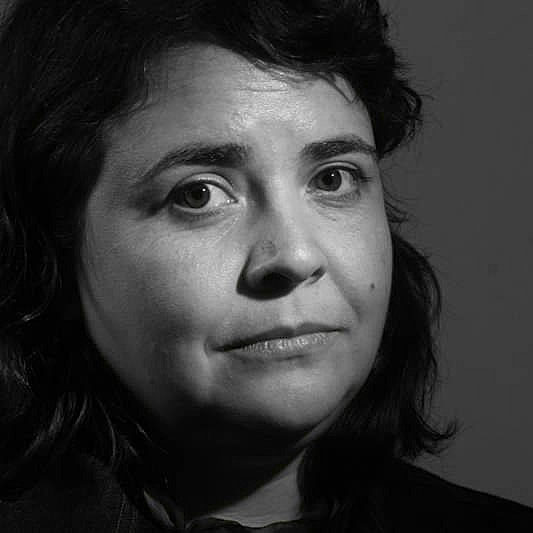
Trained at the intersection of tradition and experiment, the artist was born in Iași in 1968, and pursued two parallel and complementary paths of formation: the “George Enescu” Academy of Art in Iași, sculpture department — in the class of professors Vasile Condurache and Dan Covătaru — and the School of Monumental Art of the Romanian Patriarchate in Bucharest, in the class of Alexandru Cont, both completed between 1989 and 1995.
A member of UAP Romania — sculpture section since 1995 — she has not limited herself to the practice of art, but has actively contributed to building the cultural infrastructure around it. She was a founding member of the AXart Foundation in Iași, involved in organizing the “Art and Sacrality” Symposium in Cucuteni between 2000 and 2004, and a founding member of the “Triconc” art gallery in Iași, established in 2006. She has coordinated Grundtvig cultural workshops in Iași and Maramureș, and is a member of the “Association of Women Creators in Visual Art in Romania” and of “3 Grup.”
Her works have been shown throughout the country and across Europe, continuing a sculptural practice in which the memory of form and the sacred dimension remain recurring threads.
Ioana Bogin
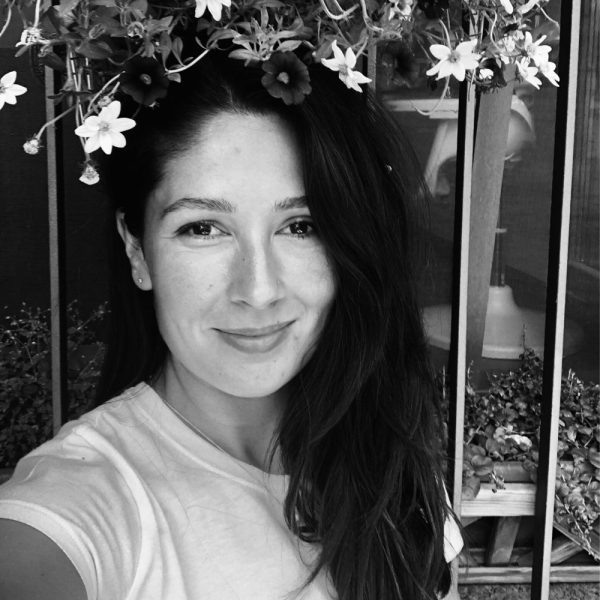
Ioana Bogin works with ceramics in a sculptural way, creating forms and surfaces shaped by hand. Her process is intuitive, allowing the clay to influence the direction and rhythm of each piece. Her practice has developed over time through experimentation and continuous work, starting from a personal passion and gradually evolving into a broader artistic direction. The process remains open, based on exploration, repetition, and attention to the material.
Her works exist at the intersection between object and sculpture, with a focus on simplicity, balance, and presence. The forms are built slowly, and the surfaces preserve traces of gesture, imperfections, and the natural texture of clay.
Each piece is unique and reflects a way of working in which time and touch become part of the final result. The objects are created to bring a calm and natural presence into the spaces they inhabit.
Irina Grosu & Josep Motas, Studio Bussoga
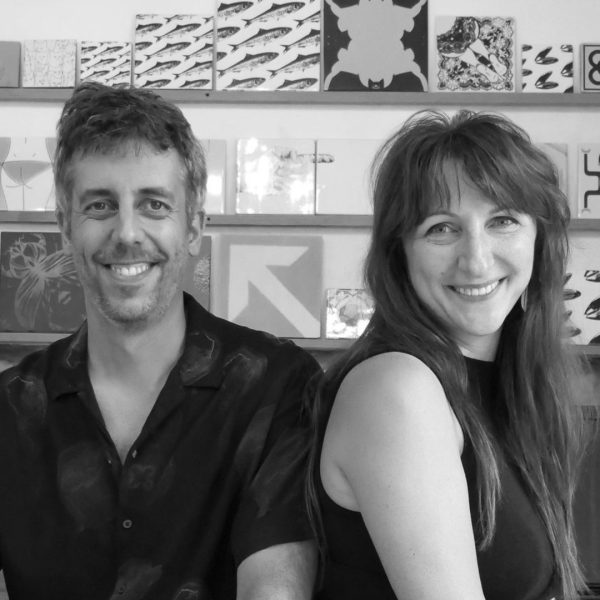
The studio was founded in 2010 by industrial designer Josep Motas (b. 1982, Girona, Spain), who laid the foundations of the project by exploring his mathematical models applied to design. In 2012, the brand’s vision expanded with the addition of artist Irina Grosu (b. 1989, Iași, Romania), who completed the creative formula with her distinctive approach to mural art and ceramics.
Based in La Bisbal d’Empordà (Girona, Catalonia), the studio takes its name from the Catalan regionalism bussoga (“bump”), symbolizing that unexpected creative spark — an idea that suddenly “emerges” and transforms into a design object.
The studio’s innovative designs have been showcased at major international events such as Design Miami, Maison & Objet, Milan Design Week, and Hong Kong Business of Design Week. Their distinctive aesthetic — often marked by hidden concepts and bold graphic motifs — has been featured in internationally renowned publications such as AD, Nuevo Estilo, and Elle Decor, as well as in collectible volumes like SKULLTURE and The Mammoth Book of Skulls.
Irina Marinescu
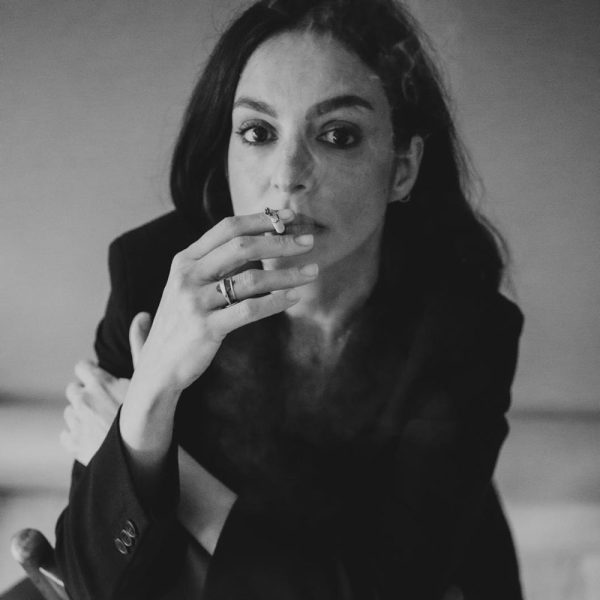
Irina Marinescu (b. 1981, Romania) is a multidisciplinary artist whose work bridges textile art, performance, and personal narrative. After over fifteen years in fashion, she transitioned to tapestry, merging meticulous craftsmanship with deep introspection.
Marinescu’s tapestries are immersive, tactile meditations combining drawing, hand embroidery, and bas-relief. Rooted in introspection, her work explores personal memory and trauma as both subject and form, functioning as therapeutic rituals that transform painful experiences into resilience. Her textiles become dynamic sites where the personal often expands into the archetypal.
Embroidery is for her a shamanic, repetitive labor where each stitch marks thought and feeling, turning fabric into a living archive of experience. For Marinescu, making is not merely expressive, but cathartic; her tapestries operate as both private relics and shared psychic landscapes.
Janice Cormier
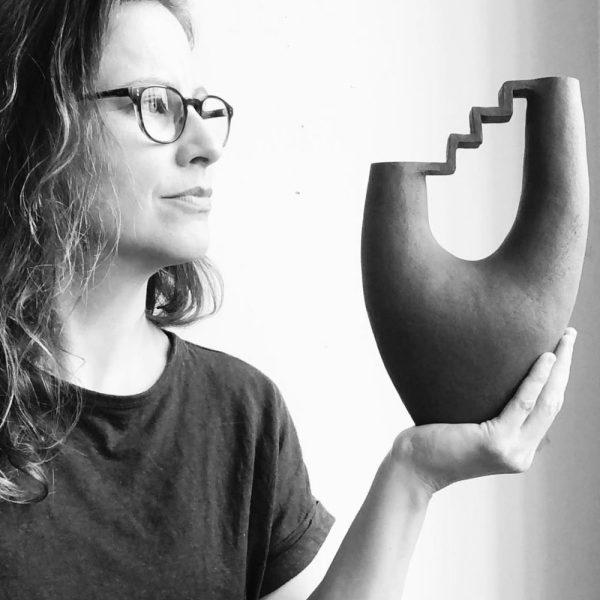
Janice is interested in topics such as humanity and nature. Her sculptural work serves as an exploration of themes like connection, emotion, belonging, and sense of place. The artist’s creative journey usually begins outdoors. Moments of wandering through forests, exploring rocky shorelines, and finding natural objects are fuel for her creative practice. Janice gathers wild materials for both inspiration and exploration in the studio. She experiments with wild clays, rocks, minerals and wood ash. Each bears the marks and stories of specific places and time.
Matei Băcanu
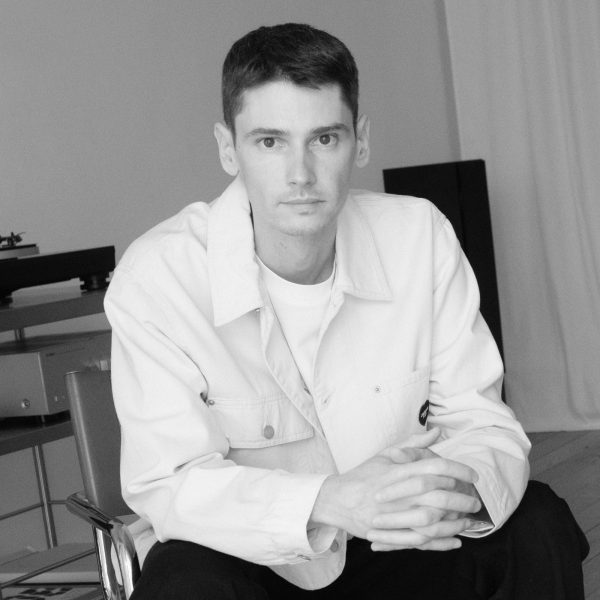
Matei Băcanu is a designer and artist from Bucharest.
Having begun his career as an architect, his desire to move beyond functional representation and real-world limitations pushed him toward digital media. Here, he pursues a more open exploration of form and space. His work examines relationships between structure and softness, material and void, geometry and flow.
Over the years, his shift toward time-based media has allowed him to intimately explore motion, rhythm, and narrative structures, opening up new dimensions of expression and enabling multiple collaborations with sound artists and musicians.
Today, his practice is a continuous, dynamic negotiation of the evocative work that lies just beyond design.
Mihai Laurus
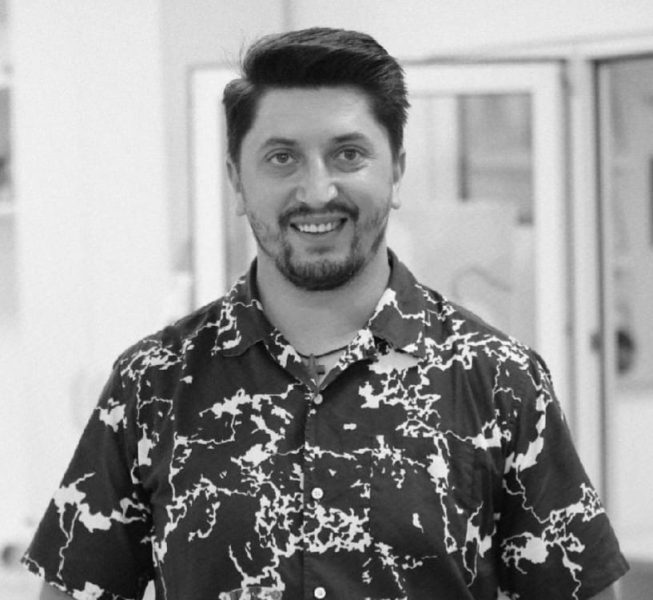
Laurus Mihai is a contemporary object designer and glass artist, self-taught and founder of the brand Fluid Glass Art. Originally from Milișăuți, Suceava County, and currently active in Bucharest, he creates a wide range of works, from functional household objects to sculptures and installations.
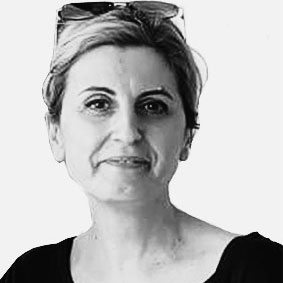
Otilia Efros
Originally from Bucharest, Otilia Efros currently lives and works in Timișoara, a city that has become a central reference point in her artistic development. Here, her interest in materiality and volume has led to an expansion of her research into three-dimensional practice, consolidated through studies in ceramics and sculpture at the Faculty of Arts and Design in Timișoara.
Her contemporary practice sits at the intersection of sculpture, object and installation, articulating an approach centered on processuality and the value of the manual gesture. Ceramics is investigated as a support for material memory and temporality, in which cracks, deformations, and structural tensions, as well as variations generated by drying, are embraced as constitutive elements of sculptural form.
In her recent works, porcelain becomes the primary medium, exploring its potential through traditional hand-building techniques such as coiling, a construction method that allows the development of large-scale, layered volumes, in which gestural repetition and material accumulation become generative mechanisms of form.
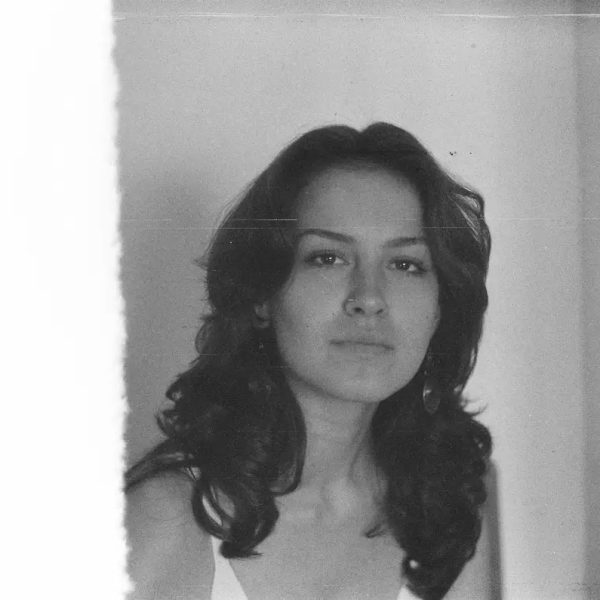
Rebeca Radvan
Radvan Rebeca is a visual artist whose practice explores the intersection between ceramic objects, spatial installation, and ritual process. With a hybrid academic background at UNArte, within the Ceramics and Fashion Design departments, she develops a freedom to experiment with mineral permanence and organic ephemerality.
Her recent activity has been marked by exhibitions in 2025 at Lei Lei Gallery, Galeria Orizont, and as part of the Diploma Show.
From a technical perspective, Radvan Rebeca works with hand-building and mold casting, often integrating textile materials and biological elements that are consumed during the firing process. This technique transforms organic matter into a present absence, leaving behind traces of what has disappeared. In this approach, the process of genesis and thermal transformation becomes as significant as the final object, reflecting a practice guided by curiosity and a continuous exploration of the limits of matter.
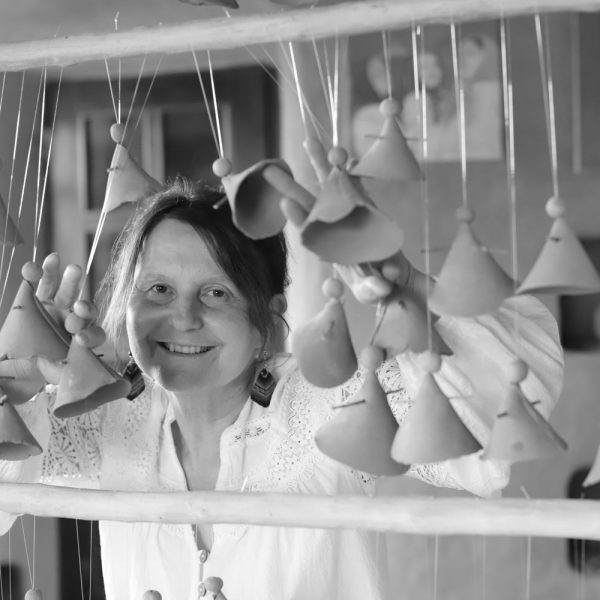
Sandrina Mihuleac
Ionela-Sandrina Mihuleac was born in Cucuteni, and the spirit of the Neolithic ceramics discovered there has profoundly influenced her creation and life. After completing her art studies in Iași and Cluj, she returned to her hometown in 2002, when she took part in organizing the first creative camp there. Since then, her journey has been one of continuous exploration and growth. She now organizes annual art symposia, workshops with children, exhibitions, and artist residencies in the space she has been developing in Cucuteni since 2013, which she named “The Singing Earth,” an artistic and cultural complex.
She lives in a deep connection with nature, which acts as her teacher and source of inspiration. In her ceramics, she chooses the simplicity of organic forms and the natural color of materials.
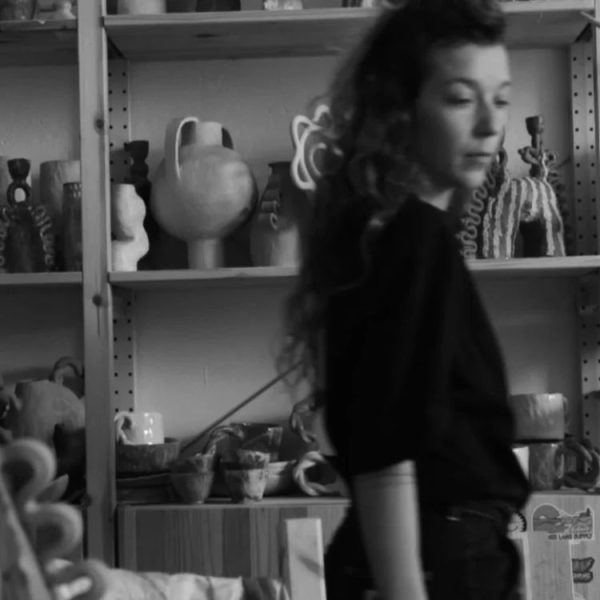
Sophie Agullo
Founded in 2021 by French designer Sophie Agullo, Clandestine Céramique creates unique, hand-crafted ceramics that celebrate nature, craftsmanship, and narrative. Each piece is one-of-a-kind, carrying its own character and forming part of a Clan — a growing collection that lets you build your own story through objects. Based in Galicia, Spain, the studio combines artisanal skill with creative exploration, turning everyday ceramics into collectible pieces full of meaning and soul.
Universitatea de Artă și Design din Cluj-Napoca
Alexandra Daiana Georgița
Georgița Alexandra Daiana was a student at the “Corneliu Baba” High School of Arts in Bistrița-Năsăud County, where she discovered and cultivated her passion for drawing. During high school, she specialized in Graphic Arts, where she learned its specific techniques. In the 11th grade, she participated in the National Visual Arts Olympiad, winning third place.
Alongside her academic activity, Daiana became involved in various artistic projects. She worked on the creation of a comic book, contributing character design for the printing company NOSA Transilvania. She also contributed five illustrations to a book inspired by biblical parables and six drawings for a collection of Romanian proverbs.
She continued her artistic education at the University of Art and Design in Cluj-Napoca, where she studies in the Ceramics–Glass–Metal department, exploring new forms of expression and developing her personal style.
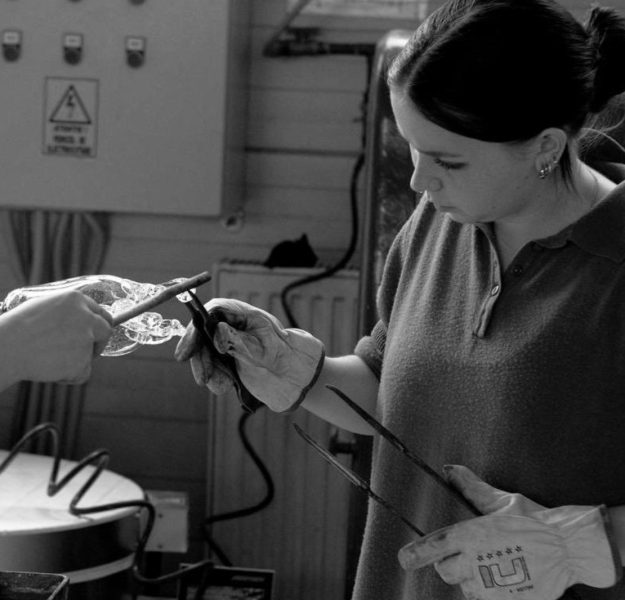
Alexia Ioana Maria Lako
Lako Alexia Ioana Maria creates art through ceramics, glass, and metal. She is a second-year student in the Ceramics–Glass–Metal department at the University of Art and Design in Cluj-Napoca, where she continues to develop her artistic language and technical skills.
Her practice is defined by a strong inclination toward meticulous techniques, where each work becomes an exercise in patience and precision. She is particularly drawn to the Tiffany glass technique, which she explores for its decorative and structural possibilities, creating delicate compositions in which light becomes an active element of the piece.
For Alexia, art is a process of slow and conscious construction, where detail gains value and each work reflects perseverance, sensitivity, and careful attention to form.
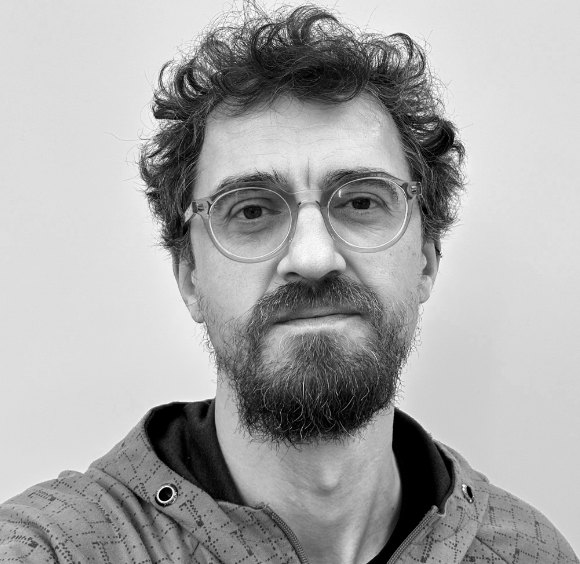
Bogdan-Alexandru Ciocnadi
Ciocnadi Bogdan-Alexandru is a creative spirit with a self-taught mindset, currently a second-year undergraduate student in the Ceramics–Glass–Metal department at the University of Art and Design in Cluj-Napoca. He has been drawn to drawing since childhood, and over the years has experimented with various forms of expression in the visual arts, including painting, photo-video, graphic arts, street art, tattooing, and ceramics.
He has participated in group exhibitions and art fairs in Romania, as well as street art events in Cluj-Napoca, Bucharest, and Valencia, where he created mural paintings. His passion for nature and human interaction is reflected in his works, where anthropomorphic elements coexist with organic forms, often with a tendency toward surrealism.
For Bogdan, inspiration can be found everywhere; all that is needed is detachment, sensitivity, and a spirit of observation. The mind itself is the only factor that creates obstacles and can limit imagination.

Brigitte Bespaletz
Brigitte is an emerging ceramic artist, currently in the second year of her Master’s degree in the Ceramics–Glass department, after graduating with a Bachelor’s degree in Ceramics from the University of Art and Design in Cluj-Napoca in 2024. Her artistic practice investigates ceramics as a complex and expressive medium, situated at the intersection of object, space, and experience.
Her work includes both wall-based pieces and hybrid objects positioned at the boundary between art and design, where organic form and materiality become vehicles for an expanded sensory perception. Through her interventions, the artist proposes the transformation of exhibition or environmental spaces into immersive settings, where objects function as visual and atmospheric presences, activating the relationship between viewer, matter, and context.
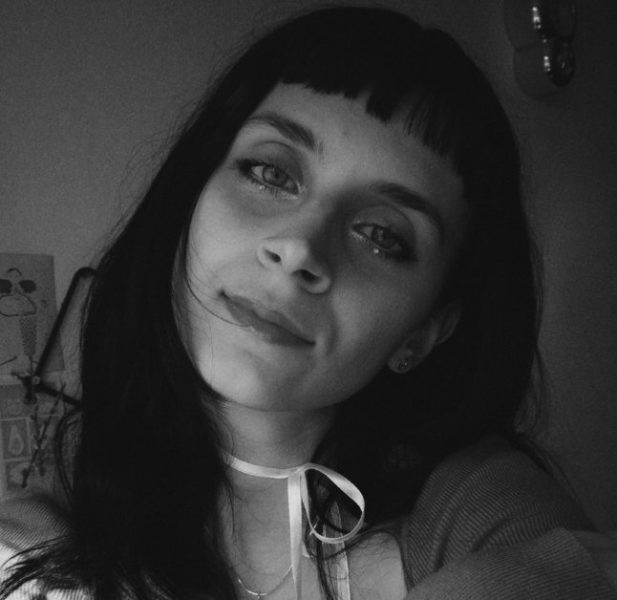
Daria Niță
Daria Niță creates art through jewelry and ceramics. She graduated in 2024 from the University of Art and Design in Cluj-Napoca, Ceramics–Glass–Metal department.
Her practice is deeply inspired by nature and organic forms, especially aquatic elements such as shells, fish, rocks, waves, and coral. In jewelry, she uses the watercasting technique to capture the movement of water in silver, while her ceramic works explore similar themes through hand-built organic forms and glazes that evoke the translucency of water and the iridescence of pearls.
For Daria, artistic creation is rooted in observation and remains an essential, enriching part of human experience.

Katarina Mănăstire
Katarina Mănăstire is a third-year undergraduate student in the Ceramics–Glass–Metal department at the University of Art and Design in Cluj-Napoca.
Her ceramic practice explores the tension between form and emotion. Often inspired by organic structures, her works become spaces in which matter seems to pulse between control and spontaneity. Through intensely textured surfaces and expressive chromatic interventions, she develops a direct visual language with a strong emotional charge.
She participated in the WonderLand project (Castel Salbek Association, 2025) and continues her artistic research through her graduation project (2026).
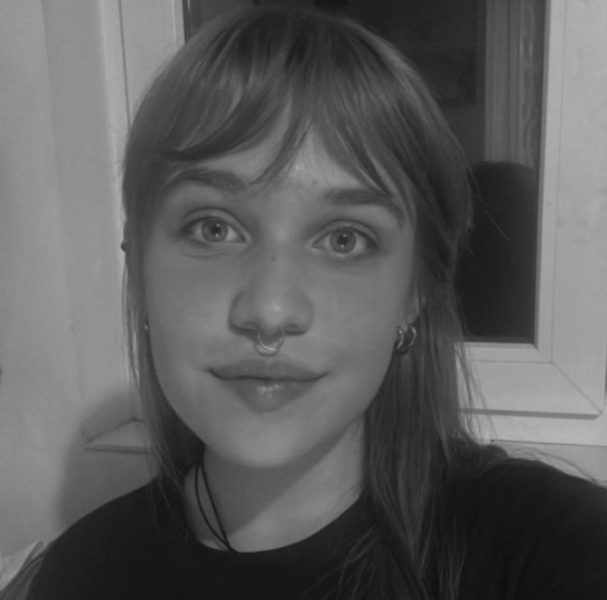
Maria Bădărău
Bădărău Maria is a second-year undergraduate student at the University of Art and Design in Cluj-Napoca, within the Ceramics, Glass, and Metal department. Her artistic practice focuses on people — on the ways they influence and transform one another.
Interhuman develops a parallel between the vegetal and the human worlds, proposing a view of relationships as living, interdependent, and interconnected systems. Like plants that coexist through invisible exchanges of substances and energy, people form a sensitive network of mutual influences. Through the symbols of the Venus flytrap and the rosehip, the work reflects on the ambivalence of these bonds, in which closeness can become both support and consumption.
Thus, the relationship is no longer merely a space of encounter, but an organism in constant transformation, where every interaction leaves traces and contributes to shaping the other.
Maria Larisa Călărășiu
Călărășiu Maria Larisa is a visual artist, a graduate of the “Nicolae Tonitza” High School of Fine Arts in Bucharest and of the University of Art and Design in Cluj-Napoca. In her artistic practice, she explores a sensitive and playful world where color and form become means of expressing emotion.
Her works are inspired by nature and the familiar universe, often populated by characters or stylized elements intended to create a sense of closeness and warmth. Through her work, she seeks to capture the complexity of human emotions — from joy to sadness, from balance to fragility — reflecting the ups and downs of life. She aims to create an authentic connection between the artwork and the viewer.
Maria Murărescu
Murărescu Maria began her artistic journey in primary school, when her interest in drawing emerged naturally and consistently. She participated in various competitions and exhibitions, experiences that gradually strengthened both her confidence and artistic direction. She attended both middle school and high school at the “Carmen Sylva” College of Arts in Ploiești, where she developed her technical foundations and visual sensitivity.
She is currently a second-year undergraduate student at the University of Art and Design in Cluj-Napoca, within the Ceramics–Glass–Metal Department. Her artistic practice is built around recurring themes inspired especially by nature and anthropomorphic forms, which she explores in a personal manner that is still in the process of taking shape.
Maria-Ioana Cîrstoiu
Cîrstoiu Maria-Ioana is a second-year student at the University of Art and Design in Cluj-Napoca, within the Ceramics–Glass–Metal department. Her artistic journey began at the “George Apostu” National College of Arts in Bacău, where she specialized in sculpture, developing a distinct sensitivity to volume and form.
Her practice explores the relationship between nature and transformation, with a particular interest in the fluidity of forms and organic processes of growth. Inspired by the dynamics of natural structures, her works propose a dialogue between material and movement, balance and evolution.
She has participated in numerous collective projects and exhibitions organized within the academic environment, and her activity has been recognized through awards received at national and international competitions. Through her artistic approach, she seeks to capture both the fragility and the strength of natural processes, translating them into a sensitive and expressive visual language.
Setup arch.
Carina Lăcătușu
Ana Carina Lăcătușu graduated from the Interior Architecture course at the Oxford School of Architecture (OBU), UK, in 2022. In 2023, she joined the Romanian Creative Week team. In 2024, during the 4th edition of the festival, she curated The Living Thread/ a live exhibition. The Living Thread invites people from all over the world to collaborate on sewing a single, unique Romanian blouse. The project is now on a global journey, fulfilling its symbolic mission to complete this collective artwork. Carina has studied the concept of “furnitecture” and its effective integration into different spaces, being strongly influenced by nature, visual arts and cultural identity in her creative process. She is currently focused on exploring new perspectives in exhibition design, scenography and furniture design.
Curator
Caterina Pruteanu
Caterina Pruteanu has a background in cultural journalism (George Enescu University of Arts, Iași) and image studies (Centre of Excellence in Image Studies, University of Bucharest).
She is part of the Romanian Creative Week team, the largest event dedicated to creative industries in the European Union, and co-founder of noinoi concept store, a space that favours sustainable brands and design coherence through an aesthetic that avoids excess.
Her interests include image theory, cultural anthropology and the relationship between aesthetics, sustainability and contemporary art practices.